
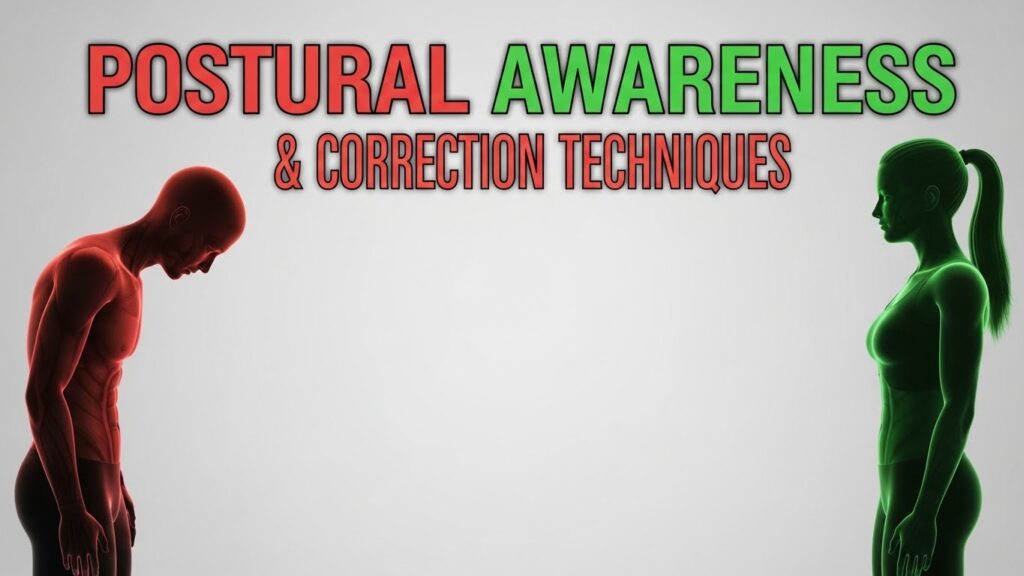
🧍♀️ POSTURAL AWARENESS & CORRECTION TECHNIQUES 🧍♀️
In modern workplaces, many tasks involve long hours of sitting, standing, or performing repetitive movements. Over time, poor posture can quietly place stress on the body leading to neck pain, back discomfort, shoulder tension, fatigue, and reduced work performance.
Postural awareness is the foundation of good ergonomics. By learning to recognise and correct posture throughout the day, workers can reduce strain, prevent injuries, and stay comfortable and productive.
🧠 What Is Postural Awareness?
Postural awareness is the ability to recognise how your body is positioned during work and daily activities. It involves noticing:
Head and neck alignment
Shoulder and arm position
Spine and lower back posture
Hip, knee, and foot placement
Muscle tension and fatigue
Once workers become aware of their posture, they can make small adjustments that create big health benefits.
⚠️ Why Poor Posture Matters
Poor posture places extra stress on muscles, joints, and ligaments. Over time, this can lead to:
😣 Neck and shoulder pain
🦴 Lower back strain
🤕 Headaches and eye fatigue
💪 Muscle imbalance and stiffness
😴 Early fatigue and reduced focus
🏥 Increased risk of musculoskeletal disorders (MSDs)
Good posture helps distribute loads evenly across the body, reducing unnecessary strain and improving endurance.
🧩 Key Principles of Good Posture🧩
1. Neutral Spine Alignment
Keep your head aligned over your shoulders
Maintain the natural curve of the spine
Avoid slouching or excessive arching
2. Relaxed Shoulders
Keep shoulders relaxed and down
Avoid rounding or lifting shoulders upward
3. Balanced Sitting or Standing
Sit with hips slightly higher than knees
Keep feet flat on the floor or footrest
When standing, distribute weight evenly on both feet
4. Natural Arm & Hand Position
Keep elbows close to the body
Wrists should remain neutral — not bent up or down
🔧 Practical Posture Correction Techniques
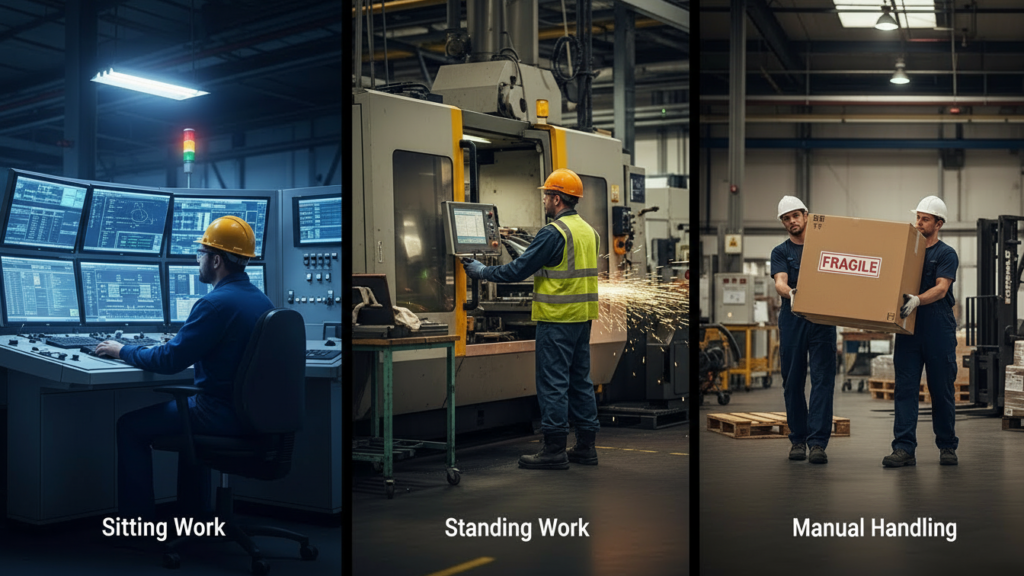
For Sitting Work
🪑 Adjust chair height so feet rest flat
🖥️ Position the screen at or slightly below eye level
💺 Use back support to maintain lumbar curve
⌨️ Keep keyboard and mouse within easy reach
⏱️ Change posture every 30–45 minutes
For Standing Work
🦶 Stand tall with ears over shoulders and hips
🔄 Shift weight regularly to avoid static posture
📦 Keep work items within waist-to-chest height
🧎 Use anti-fatigue mats where possible
For Manual Handling
🏋️ Keep loads close to the body
🦵 Bend at the hips and knees, not the back
🔁 Avoid twisting while lifting
🤝 Ask for help or use mechanical aids when needed
🌞 Final Thoughts 🌞
Good posture is not about staying perfectly upright all day it’s about frequent awareness and regular correction.
By developing postural awareness and applying simple correction techniques, workers can reduce discomfort, prevent injuries, and maintain energy throughout the workday.
💚 Small posture changes, repeated often, lead to big health benefits 💚
🧠 Awareness creates action. Action creates comfort 🧠
Stand tall. Sit smart. Move often.