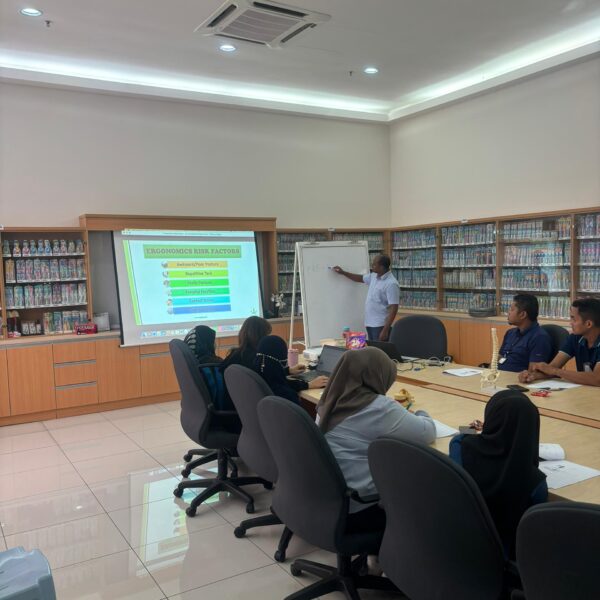
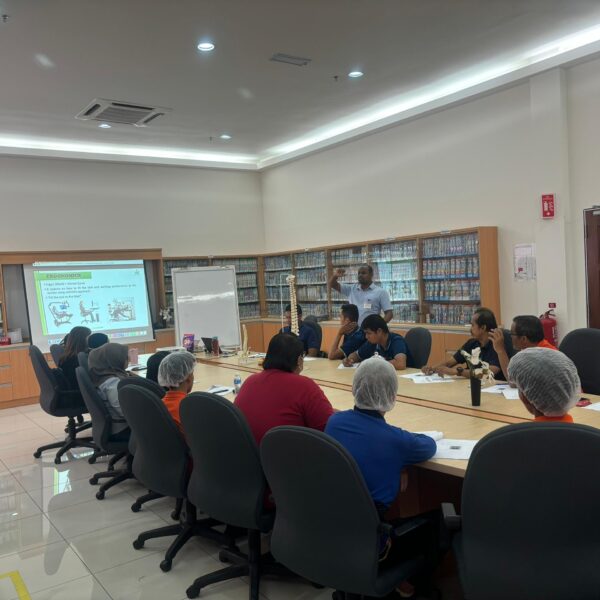
In-House Ergonomics Training
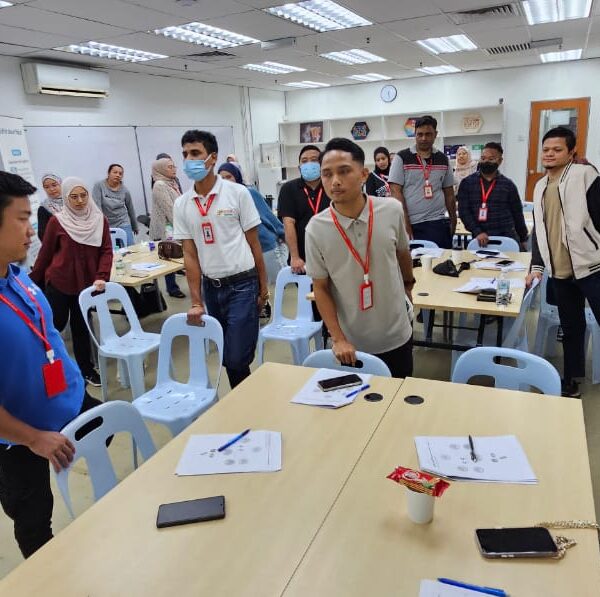
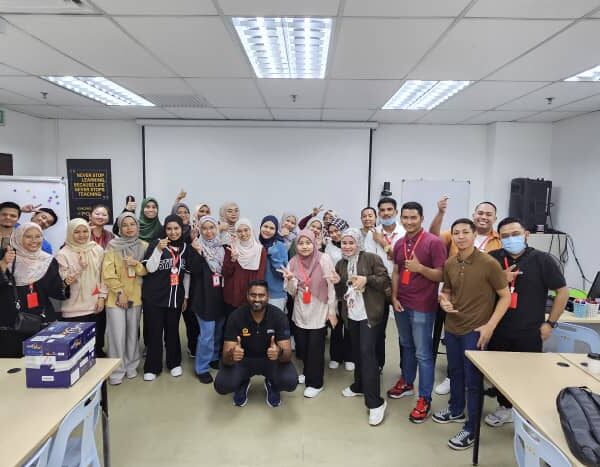
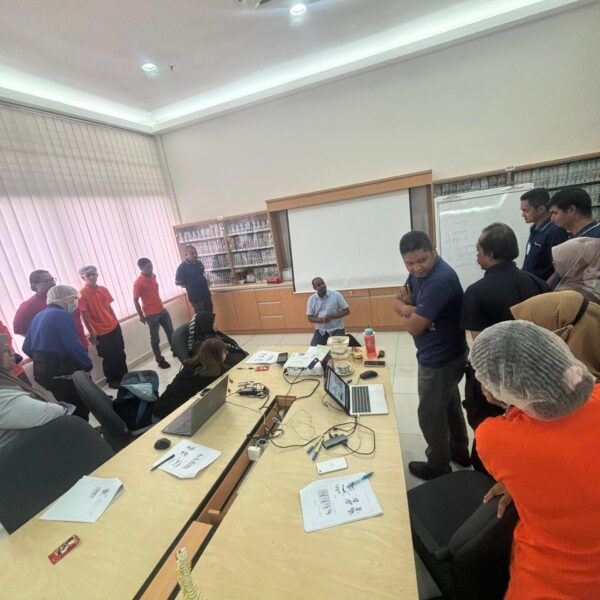
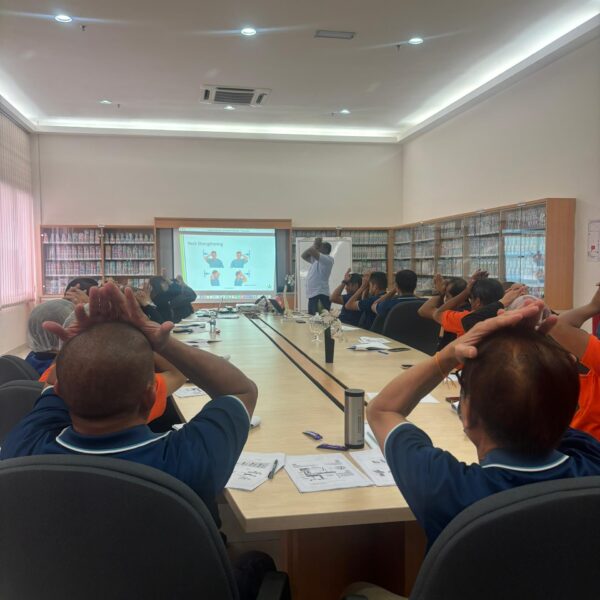
We provide all range of Ergonomics training covers all industries. We can customize the training based on the client’s requirement and request.
ErgoPsy | Your Best Choice in Workplace Ergonomics

We provide all range of Ergonomics training covers all industries. We can customize the training based on the client’s requirement and request.
ESSENTIAL OF ERGONOMICS
Introduction
Ergonomics is the science of making the work environment fit the worker. By understanding the Ergonomics requirements of work, we can avoid work-related illnesses or injuries.
The Knowledge of principle of ergonomic will allow workers to interact safely and efficiently with the machine and the environment thus can save a lot of discomfort and maximize both the productivity and enjoyment.
Learning Objectives
At the end of this course, participants will be able to:
All level
1 day (Virtual / Face to face)
2 days (Face to Face)
1 day – 1000149355
2 days – 1000149427
Ergonomics for Office Staff: A Guide to Active Working in Modern Office
Introduction
Ergonomics is the science of making the work environment fit the worker. By understanding the Ergonomics requirements of work, we can avoid work-related illnesses or injuries.
This course will introduce the importance and principles of Ergonomics at workplace. The Knowledge of principle of ergonomic will allow workers to interact safely and efficiently with the computer and the environment, thus can save a lot of discomfort and maximize both the productivity and enjoyment
Learning Objectives
At the end of this course, participants will be able to:
Office staff at all level
1 day (Virtual / Face to face)
1000144973
Calm Yourself! Methods and Techniques for Stress Management
Introduction
Stress affects individuals from all walks of life but has even greater effects within high-density populations like Malaysia. Although some types of stress actually motivate but too much stress can critically affect your physical, emotional and mental well-being. Positive and negative stress is a constant influence on all of our lives. The trick is to maximize the positive stress and to minimize the negative stress.
The participants will learn to manage stress via practical tools which was adapted from ancient wisdom and modern sciences. This is not an ordinary stress management class because all the methods validated and proven to reduce the stress in people and the good news is all the methods are simple and practical.
Learning Objectives
At the end of this course, participants will be able to:
All level
1 day (Virtual / Face to face)
1000149356
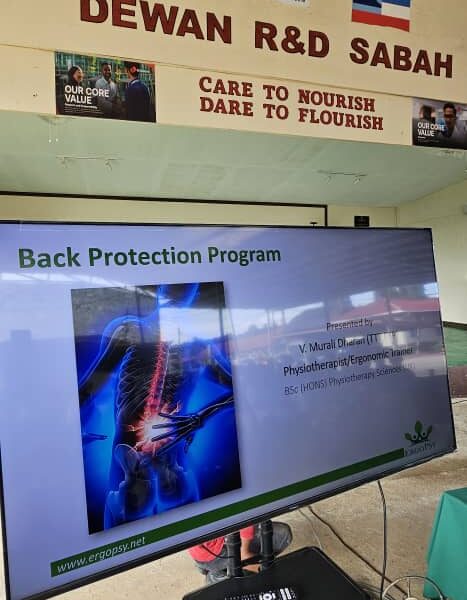
Back Protection Program
Introduction
Back injuries represent the most common type of workers’ compensation claim. Jobs within an organization with high rates of back injuries tend to be those requiring a great amount of manual load handling or those with prolong sitting. Eliminating and/or minimizing back injuries can result in lower workers’ compensation costs and promote the well-being of employees.
Back protection program is designed to strengthen the core body and active muscle of workers who are performing manual handling tasks. The program is designed to screen the musculoskeletal issues face by the employee and suitable exercises which can strengthen and condition the muscle with the aim of reducing musculoskeletal injuries.
Learning Objectives
At the end of this course, participants will be able to:
Manual handling workers
Office workers
1 day (Face to face)
10001170911
Managing Ergonomics at Workplace: Risk Factors, MSD and Prevention Principles
Introduction
Ergonomics is the science of making the work environment fit the worker. By understanding the Ergonomics requirements of work, we can avoid work-related illnesses or injuries.
Companies are in business to bring a product or service to market, and anything that makes it more difficult for employees to perform their jobs is likely to affect productivity—and productivity is money. A mismatch between the physical requirements of the job and the physical capacity of the worker can result in musculoskeletal disorder (MSDs).
This issue should be addressed appropriately in line with the organizational safety and health policy as well as the requirement stipulated in the Section 15 and 24 of the Occupational Safety and Health Act 1994. Efforts to reduce the incidence and severity of musculoskeletal disorders (MSDs) could provide a number of financial and productivity benefits to the organization as well as leading to an early reporting and injury avoidance.
This course will introduce the importance and principles of Ergonomics at workplace. The Knowledge of principle of ergonomic will allow workers to interact safely and efficiently with the machine and the environment thus can save a lot of discomfort and maximize both the productivity and enjoyment.
Learning Objectives
At the end of this course, participants will be able to:
All level
1 day (Virtual / Face to face)
1000149429
Ergonomics and Manual Handling
Introduction
Ergonomics is the science of making the work environment fit the worker. By understanding the Ergonomics requirements of work, we can avoid work-related illnesses or injuries.
This course will introduce the importance and principles of Ergonomics at workplace, manual handling task, and the correct way of manual handling to reduce injuries. The Knowledge of principle of ergonomic will allow workers to interact safely and efficiently with the machine and the environment thus can save a lot of discomfort and maximize both the productivity and enjoyment.
Learning Objectives
At the end of this course, participants will be able to:
All level
1 day (Virtual / Face to face)
10001156235
Initial Ergonomics Risk Assessment Training
Introduction
Ergonomics is the science of making the work environment fit the worker. By understanding the Ergonomics requirements of work, we can avoid work-related illnesses or injuries.
Companies are in business to bring a product or service to market, and anything that makes it more difficult for employees to perform their jobs is likely to affect productivity—and productivity is money. A mismatch between the physical requirements of the job and the physical capacity of the worker can result in musculoskeletal disorder (MSDs). Efforts to reduce the incidence and severity of musculoskeletal disorders (MSDs) could provide a number of financial and productivity benefits to the organization as well as leading to an early reporting and injury avoidance.
This course will introduce the importance and principles of Initial Ergonomics Risk assessment at workplace as per the Guidelines on Ergonomics Risk Assessment at Workplace 2017.
The participants will be exposed with step by step to perform the initial ERA until the preparation
of report.
Learning Objectives
At the end of this course, participants will be able to:
All level
2 days (Virtual / Face to face)
2 days – 1000152418
Advanced Ergonomics Risk Assessment Training
Introduction
Ergonomics is the science of making the work environment fit the worker. By understanding the Ergonomics requirements of work, we can avoid work-related illnesses or injuries.
Companies are in business to bring a product or service to market, and anything that makes it more difficult for employees to perform their jobs is likely to affect productivity—and productivity is money. A mismatch between the physical requirements of the job and the physical capacity of the worker can result in musculoskeletal disorder (MSDs).
This issue should be addressed appropriately in line with the organizational safety and health policy as well as the requirement stipulated in the Section 15 and 24 of the Occupational Safety and Health Act 1994. Efforts to reduce the incidence and severity of musculoskeletal disorders (MSDs) could provide a number of financial and productivity benefits to the organization as well as leading to an early reporting and injury avoidance.
This course is the sequence of Initial Ergonomics Risk Assessment training. This course will give participants the insight of reporting ergonomics risk assessment based on each of the significant risk factors. This course will be exposed participants with specific ergonomics risk assessment methods for various risk factors.
Learning Objectives
At the end of this course, participants will be able to:
All level
4 days (Face to face)
4 days – 10001169679
Empowering Safety and Health Committee
Introduction
The Occupational Safety and Health Act 1994 has made it mandatory for workplaces with forty or more employees to have a Safety and Health Committee. Following that, Occupational Safety and Health (Safety and Health Committee) Regulations 1996 was promulgated and these had been enforced effective January 1, 1997. With this enforcement, employers are required to reorganise the existing safety and health committee in accordance with these regulations.
This programme is specially designed to help participants set up a safety committee or reorganise the existing ones in compliance with the regulatory requirements.
Learning Objectives
At the end of this course, participants will be able to:
All level
1 day (Virtual / Face to face)
10001168657










How are we different from other training providers.