
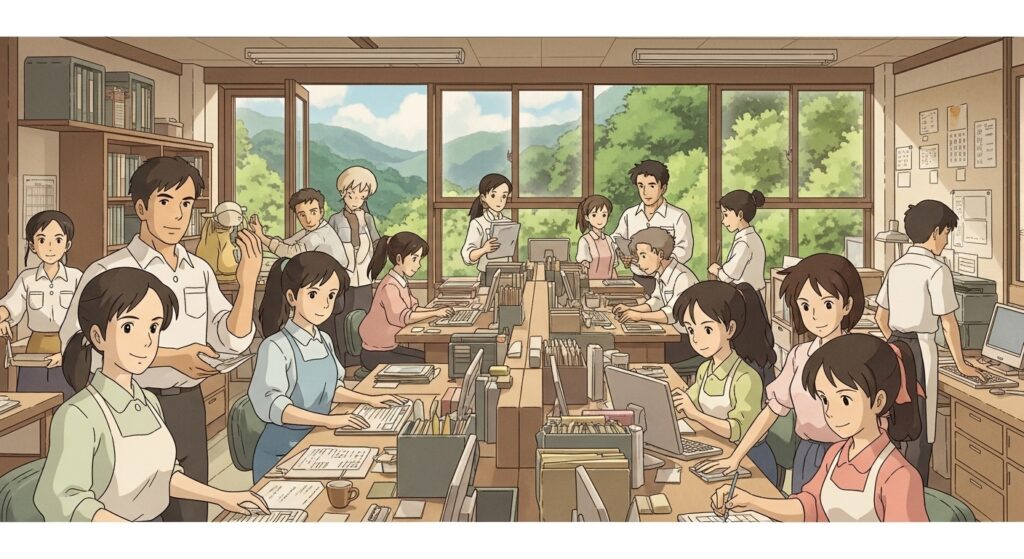
GENDER DIFFERENCES IN ERGONOMIC RISK FACTORS
Ergonomic risks do not affect everyone in the same way. Men and women may experience different levels and types of strain at work due to physical differences and how tasks are designed and assigned.
🧠 Workplaces Are Not Always Designed for Everyone
Many workstations, tools, and equipment are designed based on average male body dimensions. This can unintentionally place women at a higher risk of awkward posture, overreaching, and excessive force during daily tasks.
💡Body Size and Strength Differences Matter
Differences in height, hand size, and muscle strength can influence how work is performed. When tools are too large or work surfaces are too high, workers may compensate with poor posture, increasing the risk of neck, shoulder, and wrist discomfort.
🧩 Posture and Static Work
Poorly adjusted workstations often lead to raised shoulders, forward bending, or unsupported sitting. Prolonged static sitting or standing in these postures can increase muscle fatigue and the risk of musculoskeletal disorders (MSDs).
Different Tasks, Different Risks
Men and women are often assigned different types of tasks:
- Repetitive and precision work may increase upper limb strain
- Heavy manual handling increases lower back and shoulder risks
Both require proper ergonomic controls to prevent injury.
Reporting Discomfort
Women tend to report pain and discomfort earlier, while men may delay reporting until symptoms become severe. Relying only on injury reports can result in late intervention.
What Employers Can Do
Effective ergonomics should focus on:
- Adjustable workstations and seating
- Tools suitable for different hand sizes and strengths
- Task rotation to reduce repetition and static postures
- Regular ergonomic risk assessments and training
🌞 Key Message 🌞
Good ergonomics is not about gender—it’s about fitting the job to the worker. Addressing gender-related ergonomic differences helps create safer, healthier, and more inclusive workplaces for everyone.