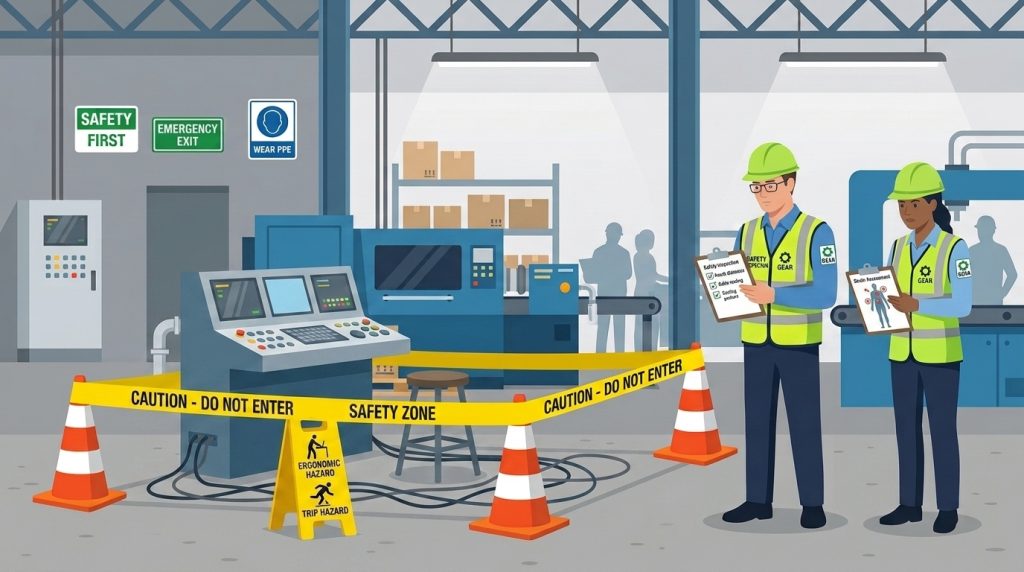
Linking Ergonomics Findings to Incident Investigations
Introduction
Incident investigations often focus on immediate causes, but underlying ergonomic factors can also contribute to workplace accidents. Linking ergonomics findings to incident investigations helps organisations identify root causes and implement effective preventive measures.
Why It Matters
Poor workstation design, awkward postures, repetitive movements, excessive force, and manual handling can increase the likelihood of errors, fatigue, and injuries. If these ergonomic factors are overlooked during an investigation, similar incidents may continue to occur.
Identifying Ergonomic Factors
During an incident investigation, employers should assess whether ergonomic hazards played a role. This includes reviewing the worker’s posture, task design, tools and equipment, workstation layout, workload, and environmental conditions. Combining incident findings with ergonomic assessments provides a more complete understanding of what happened.
Preventing Future Incidents
Once ergonomic risks are identified, organisations can implement corrective actions such as redesigning workstations, modifying tasks, improving tools, providing ergonomics training, or introducing mechanical aids. Addressing these root causes helps prevent recurring incidents and improves overall workplace safety.
Conclusion
Effective incident investigations go beyond identifying what happened—they also examine why it happened. By incorporating ergonomics into the investigation process, organisations can reduce injury risks, strengthen their safety culture, and create a healthier, more productive workplace.