
Ergonomic Risk Assessment is Only Half the Job – The Right Control Measures Make the Difference
Article by Dr. Ts. Hari Krishnan
Assessment Is Only the Beginning
Completing an ergonomic risk assessment is an important milestone, but the real value comes from implementing the right control measures. Unfortunately, many organisations stop after identifying the risks without developing effective solutions.
Two Approaches to Ergonomic Risk Control
In ergonomics, control measures generally focus on two key areas:
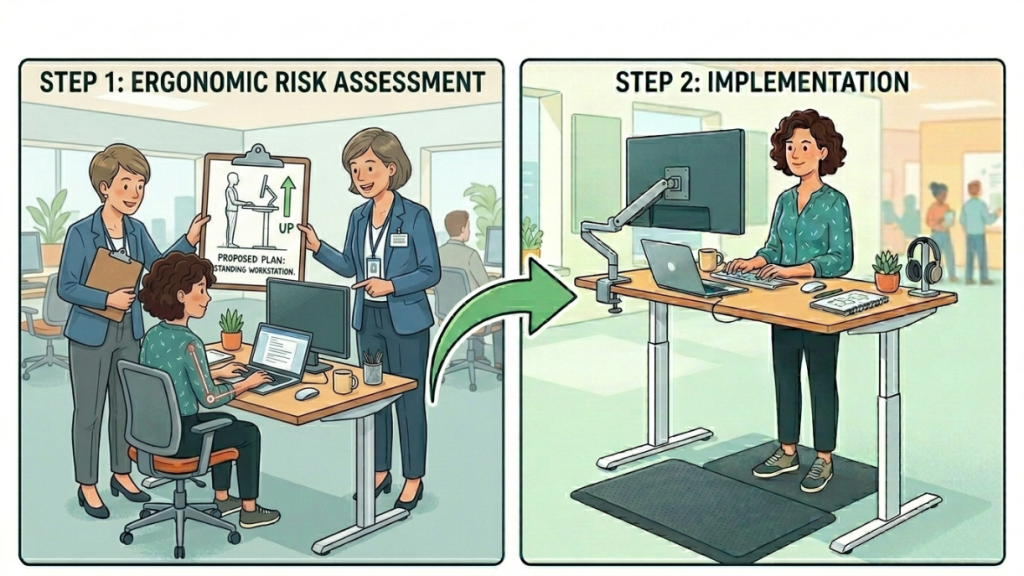
Whenever possible, improve the way the work is performed. This may involve redesigning the workstation, modifying tools, changing work methods, automating high-risk activities, or reducing force, repetition, and awkward postures. For routine and repetitive work, engineering and work design controls often provide the most sustainable solution.
Some tasks are difficult or impractical to redesign, especially non-routine or highly variable jobs. In these situations, improving the worker’s physical capacity becomes equally important.
This is where Rehabilitation at Work plays a valuable role. Instead of only treating injuries after they occur, we strengthen the specific muscles and movement patterns required for the job. By improving a worker’s capacity, they are better equipped to tolerate the physical demands of their work, reducing the likelihood of musculoskeletal disorders (MSDs).
Finding the Right Balance
The best ergonomic interventions don’t always mean changing the workplace. Sometimes, the most effective solution is preparing the worker to safely meet the demands of the job.
Ultimately, ergonomics is about achieving the right balance between job demands and human capability. When these are aligned, organisations can reduce MSDs, improve productivity, and create healthier, more resilient workplaces.
Assess the risk. Implement the right control. Protect the people.