
USING ERGONOMICS TO REDUCE NEAR MISS INCIDENTS
Introduction
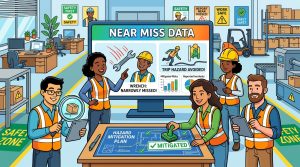
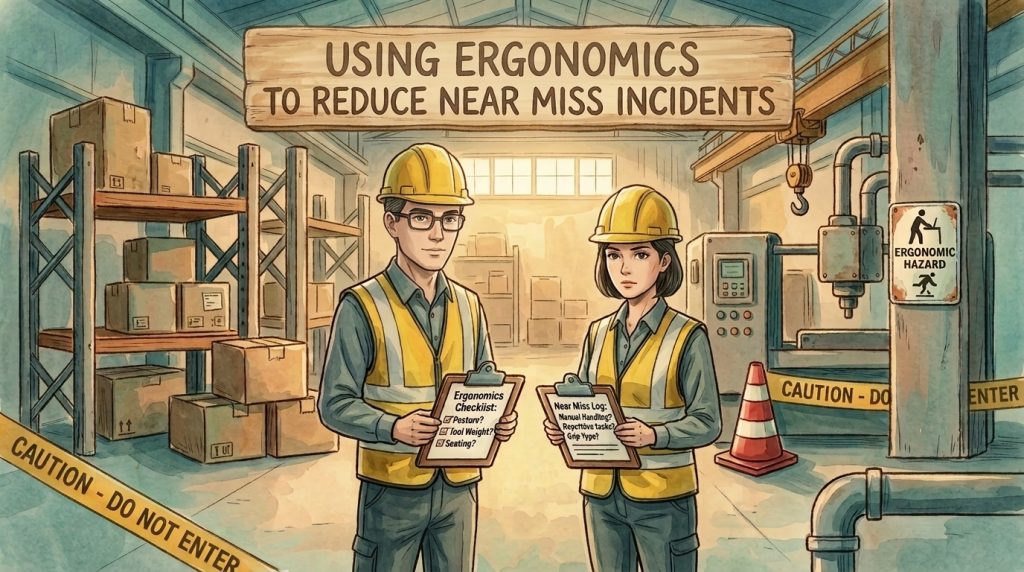
Near miss incidents are valuable warning signs that something in the workplace needs attention. By applying ergonomic principles, organisations can identify and address hazards before they result in injuries or accidents, creating a safer work environment.
Why It Matters
Many near misses occur because of awkward postures, poor workstation design, repetitive tasks, excessive force, or manual handling activities. If these ergonomic risks are left unaddressed, they can eventually lead to musculoskeletal disorders (MSDs) or more serious workplace incidents
Identifying Ergonomic Factors
Regular ergonomic assessments and workplace observations can help identify tasks that place unnecessary strain on workers. Encouraging employees to report discomfort and near misses also provides valuable insights into potential ergonomic hazards before injuries occur.
Preventing Future Incidents
Improving workstation design, using ergonomically designed tools, reducing repetitive tasks, and providing ergonomics training are effective ways to minimise risks. Implementing these improvements not only reduces near miss incidents but also enhances employee comfort and productivity.
Conclusion
Near misses should be seen as opportunities for improvement rather than events to ignore. By integrating ergonomics into workplace safety programmes, organisations can reduce risks, prevent injuries, and foster a proactive safety culture.
SAMPLE NEAR MISS INCIDENT
Near miss incidents serve as critical predictive data points indicating vulnerabilities within the workplace infrastructure. By systematically applying ergonomic principles to these events, organizations can identify, isolate, and mitigate hazards before they result in injuries or accidents.
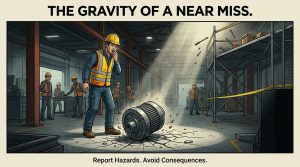
Ignoring near miss incidents serve as critical predictive data points indicating vulnerabilities within the workplace infrastructure. By systematically applying ergonomic principles to these events, organizations can identify, isolate, and mitigate hazards before they result in injuries or accidents.