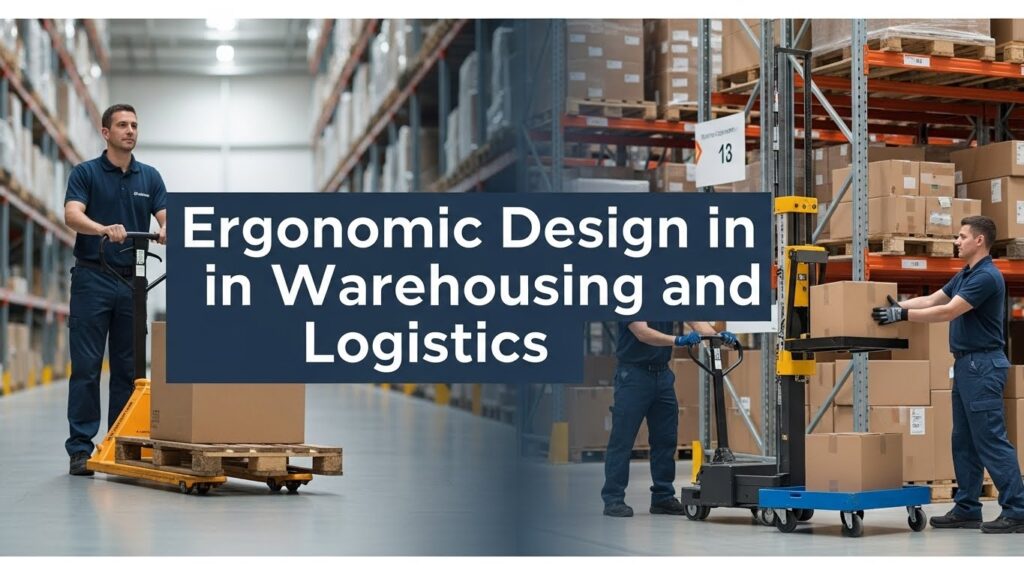
Ergonomic Design in Warehousing and Logistics: Boosting Safety and Productivity
Warehousing and logistics work often involves lifting, carrying, pushing, and pulling heavy loads, along with repetitive movements and long hours of standing or walking. Without proper ergonomic design, workers are at risk of musculoskeletal disorders (MSDs), fatigue, and workplace injuries.
🛠️ Common Ergonomic Challenges
Repetitive lifting and lowering of heavy items
Awkward postures while reaching, bending, or twisting
Prolonged standing or walking on hard surfaces
Manual handling of pallets, boxes, and containers
High-speed operations with tight time pressures
💡 Ergonomic Solutions for Warehousing
Workstation and Storage Design
Keep frequently used items at waist to shoulder height to minimize bending and reaching.
Use adjustable shelves and pallet racks for optimal access.
Mechanical Aids and Tools
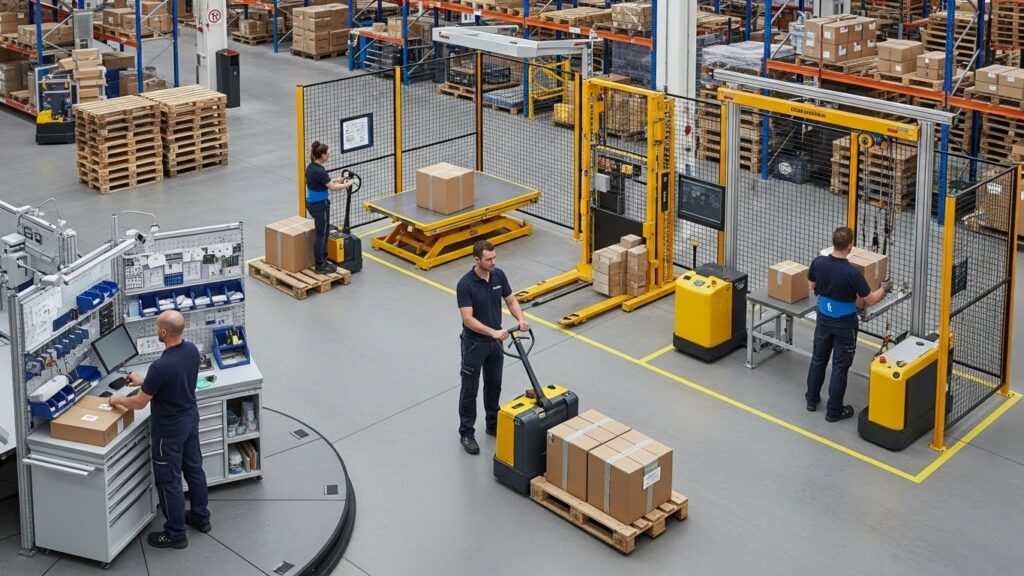
Pallet jacks, forklifts, and conveyor systems reduce manual lifting and force.
Use trolleys and carts to move heavy loads safely.
Flooring and Anti-Fatigue Measures
Anti-fatigue mats in packing or sorting areas reduce leg and back strain.
Ensure proper slip-resistant flooring to prevent accidents.
Job Rotation and Microbreaks
Rotate tasks to reduce repetitive strain.
Encourage microbreaks with stretching exercises to maintain circulation and flexibility.
Training and Awareness
Teach proper lifting techniques and safe handling procedures.
Promote a culture of ergonomics and safety awareness.
✅ Benefits of Ergonomics in Warehousing
Fewer injuries and MSDs
Improved worker comfort and morale
Higher efficiency and productivity
Reduced absenteeism and healthcare costs
✅ Final Thought
Ergonomics in warehousing and logistics isn’t just about compliance it’s about protecting workers and optimizing operations. By combining smart design, mechanical aids, and training, companies can create safer, healthier, and more productive workplaces.