Fatigue Risk Management in the Workplace

Introduction

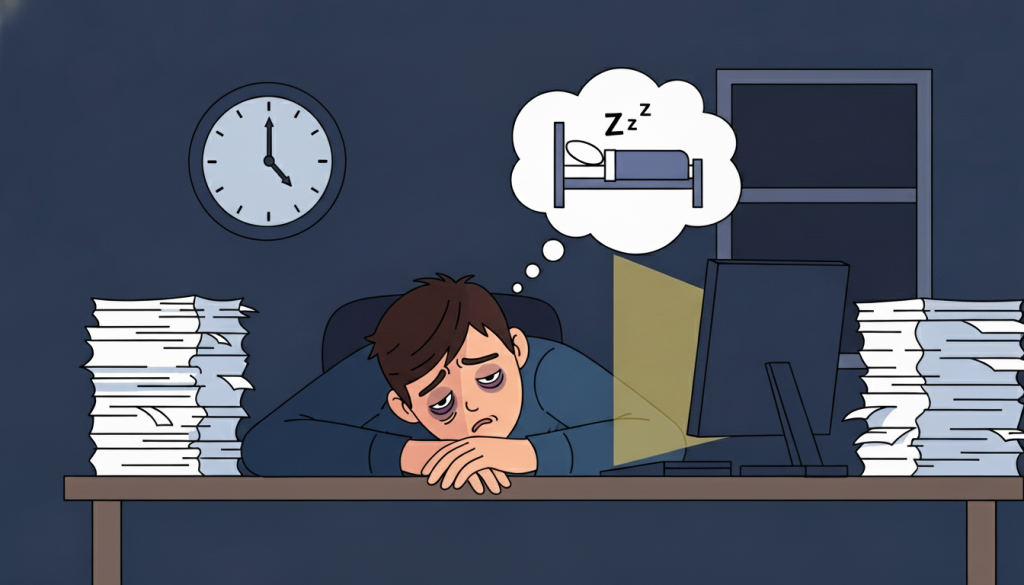
Fatigue is more than just feeling tired—it is a workplace hazard that can affect safety, health, and performance. When unmanaged, it reduces concentration, slows reaction time, and increases the risk of errors and accidents.

Why Fatigue Matters

Fatigued workers are more likely to make mistakes, experience poor judgment, and have slower responses. This is especially dangerous in tasks involving driving, machinery, or shift work, where alertness is critical.

Causes of Fatigue

Fatigue is often caused by long working hours, overtime, shift work, and poor sleep. Physically demanding tasks, prolonged sitting or standing, and high mental workload can also contribute.
Managing Fatigue

Effective management includes proper work-rest schedules, controlled overtime, regular breaks, and promoting good sleep habits. Training and awareness also help employees recognise and manage fatigue early.

Conclusion

Fatigue is a hidden but serious risk. A proactive approach helps improve safety, reduce incidents, and support a healthier, more productive workplace.